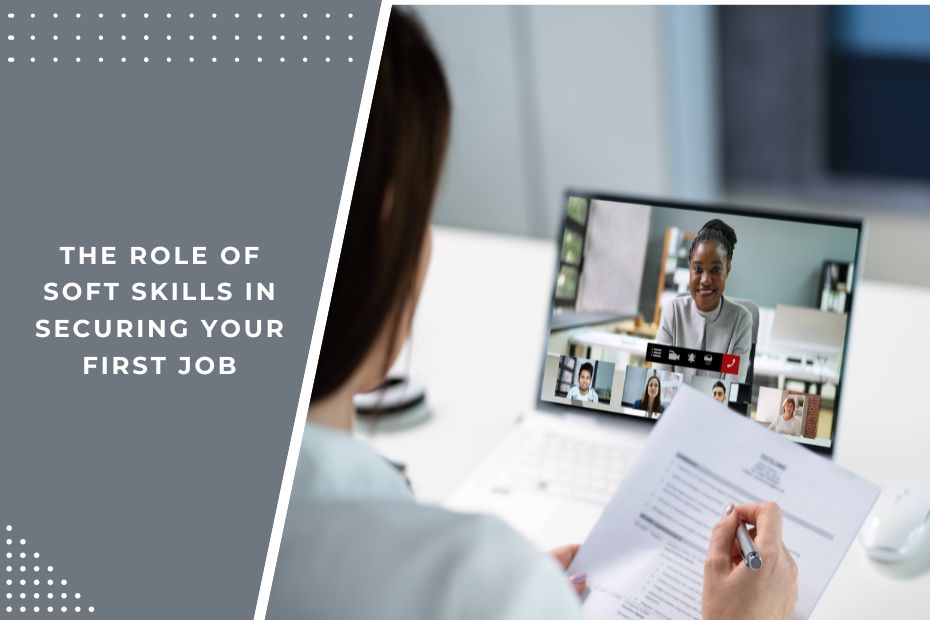
Getting your first job can feel like a daunting challenge. With so many candidates competing for limited opportunities, having the right mix of skills is crucial. While technical abilities often dominate job descriptions, soft skills—your ability to communicate, adapt, and collaborate—can be the key to setting yourself apart. These skills aren’t just a bonus; they’re often what make an employer confident in your ability to thrive in the workplace. Let’s explore how soft skills can play a vital role in your career journey and how you can effectively develop and showcase them.
What Are Soft Skills?
Soft skills are those personal and interpersonal qualities that influence how you work with others and approach tasks. Unlike technical skills, which are job-specific, soft skills are universal and apply across all industries. Think of them as the “human” side of your professional abilities.
These skills include communication, teamwork, problem-solving, adaptability, and time management. Employers value them because they’re essential for maintaining a productive and harmonious workplace. A candidate who can communicate effectively, handle challenges calmly, and work well with others often stands out, even if their technical expertise is on par with others.
Why Employers Value Soft Skills
Employers often say that technical skills can be taught, but soft skills are harder to instill. That’s because these abilities reflect your personality, work ethic, and how you interact with others. They’re a window into how you’ll contribute to a team and adapt to a workplace’s dynamics.
When hiring for entry-level positions, recruiters prioritize candidates who demonstrate qualities like reliability, communication, and a willingness to learn. These attributes show that you’re not just focused on the tasks at hand but also on building positive relationships and contributing to the organization’s overall success.
Top Soft Skills for Securing Your First Job
- Communication: Clearly convey ideas and actively listen.
- Teamwork: Collaborate effectively with colleagues.
- Problem-Solving: Tackle challenges with creativity and logic.
- Adaptability: Adjust to new situations and learn quickly.
- Time Management: Prioritize tasks and meet deadlines consistently.
How to Highlight Soft Skills in Applications
Your resume, cover letter, and interview are the perfect places to showcase your soft skills. On your resume, go beyond listing generic terms like “team player” or “good communicator.” Instead, provide examples, such as completing a group project where you played a leadership role or resolving a conflict during a part-time job.
In your cover letter, tell stories that highlight your problem-solving abilities or adaptability. Use real-life examples that show how you’ve successfully handled challenges or contributed to a team. During interviews, prepare for behavioral questions like, “Can you describe a time when you had to work under pressure?” These are opportunities to demonstrate how your soft skills make you a strong candidate.
Ways to Develop Soft Skills
Soft skills aren’t fixed—they can be improved with practice and intentional effort. One effective way to develop them is by seeking out group activities, such as joining student organizations, volunteering, or participating in team projects. These experiences teach you how to work with others and manage different personalities.
Feedback is another valuable tool. Ask trusted peers, mentors, or supervisors for honest input on your communication style, collaboration efforts, or leadership potential. Their observations can help you identify areas for growth and refine your approach.
How Soft Skills Help Secure Your First Job
Soft skills often act as a bridge between your qualifications and your ability to succeed in a professional environment. They show employers that you’re technically capable and prepared to handle the interpersonal challenges of the workplace. Skills like adaptability and problem-solving can demonstrate that you’ll handle surprises with ease, while teamwork and communication assure employers that you’ll fit into their team seamlessly.
Even for entry-level roles, recruiters look for candidates who show potential for long-term growth. Soft skills are a signal that you’re ready to learn, adapt, and contribute beyond the job’s immediate responsibilities. Employers value this mindset, and highlighting your soft skills can make you stand out among other applicants.
In Conclusion
Soft skills are essential for landing your first job and thriving in any workplace. By developing attributes like communication, teamwork, and adaptability, you enhance your qualifications and position yourself as a well-rounded candidate. Employers seek individuals who can connect, collaborate, and contribute meaningfully, making soft skills the secret weapon for career success. Focus on building these abilities, and you’ll find doors opening to exciting opportunities.
Leave a Reply